Daisies Pastel Colors Backgrounds: A Soft Touch for Any Design
The Visual Essence of Soft Floral Design
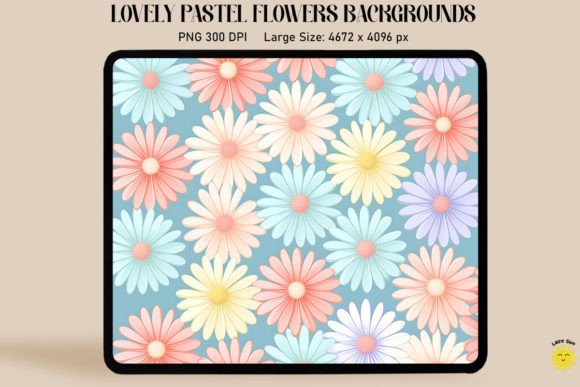
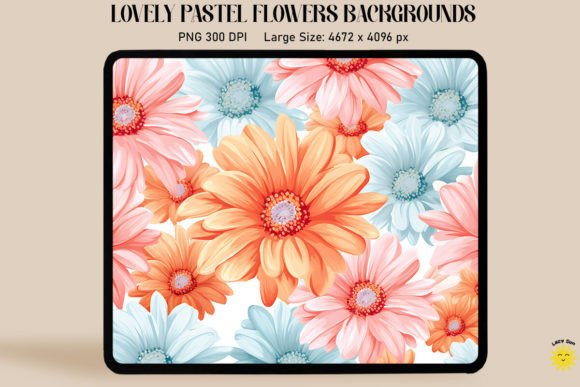
There’s a particular kind of visual calm that comes from well-executed pastel florals. The Daisies Pastel Colors Backgrounds collection captures this perfectly, offering a digital asset that feels both fresh and timeless. At its core, this is a high-resolution PNG file featuring a dreamy, soft-focus arrangement of daisies in a palette of gentle pastels. The personality is unmistakably romantic, delicate, and aesthetic. It’s not a loud or overly complex pattern; instead, it provides a subtle, organic texture that can anchor a design without overwhelming it. The style leans into a modern romantic aesthetic, avoiding vintage kitsch for a cleaner, more versatile look that feels current. This makes it a fantastic design asset for projects that need a touch of natural beauty and softness.
What makes this particular background stand out is its thoughtful composition and quality. The approximate dimensions of 4672 x 4096 pixels at 300 DPI mean you’re working with a professional-grade file. This isn’t a small, pixelated graphic that will fall apart under scrutiny. It’s a premium font (in this case, a premium background asset) built for real-world application, from large-format printing to detailed digital work. The high resolution ensures that whether you’re using it full-bleed on a wedding invitation or scaling it down for a social media post, the integrity of the soft petal details and color gradients remains intact.
Where This Floral Background Truly Shines
The real value of a resource like this is in its application. It’s a versatile design asset that can serve a wide array of creative professionals. For graphic designers and brand strategists, it’s a tool for building a cohesive brand identity, especially for businesses in the lifestyle, beauty, wellness, wedding, or boutique retail sectors. Imagine this as the backdrop for a logo mockup, the base layer for a website hero image, or the consistent texture across a series of social media graphics. It helps establish a brand perception that is approachable, elegant, and trustworthy.
For marketers and content creators, its utility extends to creating engaging visual content. Use it as a background for quote cards, podcast cover art, YouTube thumbnails, or email newsletter headers. The soft, uncluttered nature of the pastel daisies ensures that any text or foreground elements placed on top will have strong readability and visual hierarchy. It adds visual interest without creating competition. Publishers and bloggers can leverage it for article featured images, especially for topics related to gardening, home décor, motherhood, or springtime themes, instantly setting a dreamy and delicate tone.
Beyond the digital realm, its applications in print are equally compelling. This is where its high-resolution, 300 DPI specification becomes critical. Crafters and small business owners can confidently use it for printing physical goods. Think cards, invitations, and scrapbooking pages where the print quality needs to be flawless. It’s perfect for packaging design for artisanal products, banners for local events, or editorial design elements in magazines or lookbooks. The fact that it can be resized without significant quality loss gives it a flexibility that smaller assets lack. It’s a true commercial font (asset) in its professional utility and licensing for creative projects.
Integrating and Working with the Asset
Effective use of any background requires a bit of strategic thinking. First, consider your project’s color palette. While the background itself is pastel, the colors of your text, logos, and other graphics need to complement it. Soft whites, creams, and muted earth tones often work beautifully. For contrast, consider a deep forest green or a rich navy blue for headlines—colors that can stand out against the soft backdrop while still feeling harmonious. This is where understanding font pairing becomes relevant. A clean sans serif font can provide a modern, readable counterpoint to the organic background, while a elegant serif font might enhance a more traditional or romantic feel. A delicate script font could work for accents, but use it sparingly to maintain readability.
Always test your layout. Place your key text elements over different areas of the background to find the spots with the most even, soft color that won’t interfere with legibility. The beauty of a floral background like this is its organic variation, so use that to your advantage—sometimes a cluster of daisies can frame a headline perfectly. Remember, the goal is to use the background to enhance your message, not distract from it. Its role is to support your visual hierarchy, making the important information pop while wrapping the entire composition in a consistent, aesthetic atmosphere.
Finally, handle the file correctly. Since it arrives as a .ZIP file, ensure you can extract it on your device. Once unzipped, the PNG file is ready for use in any standard design software like Adobe Photoshop, Illustrator, Canva, or even Microsoft Publisher. Its lack of layers and non-SVG format simply means it’s a complete, raster image—a photograph-like asset rather than a vector logo. This is standard for complex, textured backgrounds. By understanding these practical details—from file format to integration techniques—you can fully leverage this lovely pastel flowers background to elevate your creative work, ensuring every project feels polished, professional, and infused with a gentle, natural charm.