Elevate Your Designs: The Power of 16 Abstract Oil Painting Backgrounds
More Than Just Texture: Understanding the Visual Language
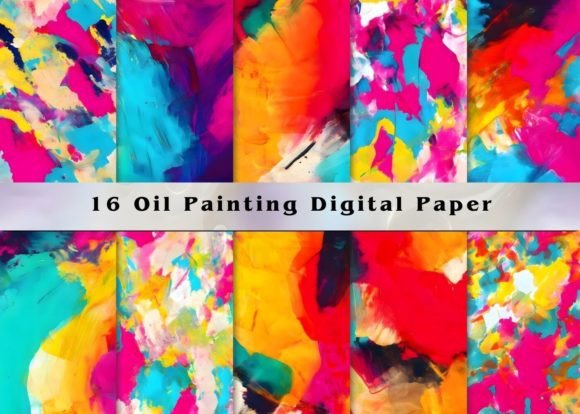
There’s a certain energy that comes from a real oil painting—the way colors bleed into one another, the subtle ridges of a brushstroke catching the light, the sense of depth that pulls you in. That’s the exact feeling captured in this collection of 16 Abstract Oil Painting Backgrounds. These aren’t flat, digital imitations. They are high-resolution, 4000x4000px JPG files designed to bring a tangible, artistic warmth to your projects. The personality here is bold yet sophisticated, with mixed color palettes that range from moody, atmospheric blends to vibrant, energetic compositions. Each background tells a story through its brushwork, offering a dynamic foundation that feels both organic and intentionally crafted.
The appeal of these assets lies in their versatility and authenticity. As a designer or content creator, you’re constantly searching for textures that don’t look generic or overused. This set delivers that. The abstract nature means the focus is on form, color, and movement rather than a specific subject. This allows the background to support your content without competing with it. Whether you’re working on a brand identity that needs a touch of human artistry or a social media campaign that demands eye-catching visuals, these backgrounds provide a ready-made solution. They are a premium design asset, offering a level of detail and quality that can elevate a project from standard to standout.
Where Artistic Texture Meets Practical Application
So, where do these oil painting backgrounds truly shine? Their strength is in projects that aim for a human-centric, emotional, or upscale feel. Think about your own creative work. For logo design or brand identity materials, using one of these as a subtle texture behind typography can add instant character and depth, making a brand feel more established and thoughtful. In editorial design—like magazine layouts, book covers, or blog headers—they create a compelling visual anchor. A muted, abstract background can make white text pop beautifully, while a more vibrant one can set a specific mood for an article or chapter.
The digital space is where this collection proves its worth daily. Web design often suffers from sterility. A strategically placed, semi-transparent oil painting background behind a call-to-action or in a website’s hero section can add warmth and personality without harming readability. For social media graphics, the impact is immediate. An Instagram story or a Facebook ad featuring these textured backgrounds will stop a scrolling thumb. The visual interest is inherent. They’re perfect for quote graphics, promotional banners, or profile banners that need to convey creativity and quality. For packaging design, especially for artisanal, luxury, or boutique products, these backgrounds can replace solid colors, suggesting craftsmanship and care before the customer even touches the product.
Entrepreneurs and small business owners will find them invaluable for creating cohesive marketing materials. Imagine using a consistent set of these backgrounds across your website, email newsletters, and print flyers. It instantly builds a recognizable visual thread. Hobbyists and crafters can use them for digital scrapbooking, printable art, or unique invitations. The key is matching the background’s mood to your project’s goal. A calm, blue-toned abstract piece might suit a wellness brand, while a bold, high-contrast one could be perfect for a music festival poster.
Integrating Artistic Assets with Professional Finesse
Choosing the right background from the 16 options is your first practical step. Don’t just pick your favorite color. Consider the visual hierarchy of your design. Will the background be a subtle texture or the main event? If you’re overlaying a lot of text or complex graphics, opt for backgrounds with more unified, less contrasting color fields. If the background is the primary visual, with just a simple logo or headline, a more dynamic and contrasting piece can work beautifully. Always test font pairings against your chosen background. A clean sans serif font often provides a modern, crisp contrast to the organic brushstrokes, while an elegant serif font can create a more classic, refined pairing. Avoid overly decorative script fonts or handwritten fonts on top of very busy backgrounds, as readability will suffer.
Readability is paramount. Use these backgrounds to influence your design’s mood, not to hinder its communication. A common technique is to place a semi-transparent overlay (a dark or light layer at 20-50% opacity) between the background and your text. This maintains the artistic texture while ensuring your message is crystal clear. When reviewing the included JPG files, pay attention to the color temperature and dominant hues. This will directly impact your project’s brand perception. Warm, earthy tones can feel inviting and grounded, while cool, dramatic tones might convey sophistication or tranquility.
Finally, a note on practicality. This is a digital item, so you’ll have instant access to the files. Remember that colors may vary from monitor to monitor, so it’s wise to do a test print if your project is for physical output. Since these are high-resolution files, they are scalable for large-format printing like posters or banners. By thoughtfully selecting and applying these 16 Abstract Oil Painting Backgrounds, you’re not just adding a pretty picture. You’re investing in a versatile design asset that can add depth, emotion, and a professional, artisanal quality to a wide array of creative projects, helping your work resonate on a more human level.