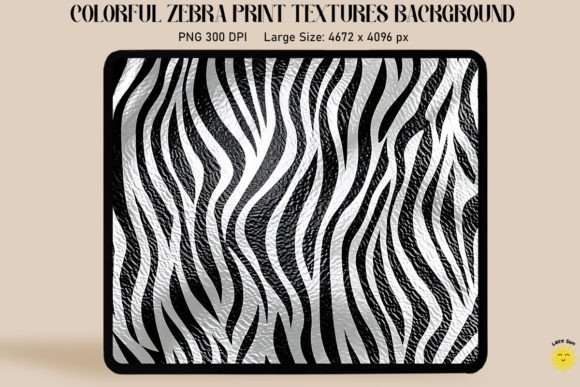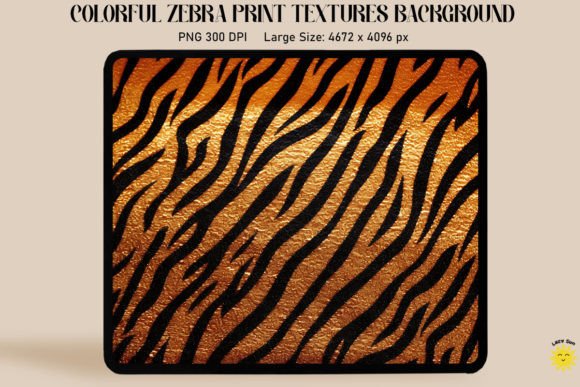
Glitter Brown Zebra Print Backgrounds: A Creative Asset
In the search for design assets that combine natural pattern with a touch of luxury, the Glitter Brown Zebra Print Background stands out. This isn't your average animal print. It takes the classic, high-contrast zebra stripe and reinterprets it in a warm, sophisticated brown palette, infusing each line with a subtle, textured glitter effect. The result is a design that feels both organic and opulent, offering a versatile foundation for projects that need to make a statement without being overly loud. It’s a creative font alternative in texture form, providing a unique visual voice.
Understanding the Visual Character
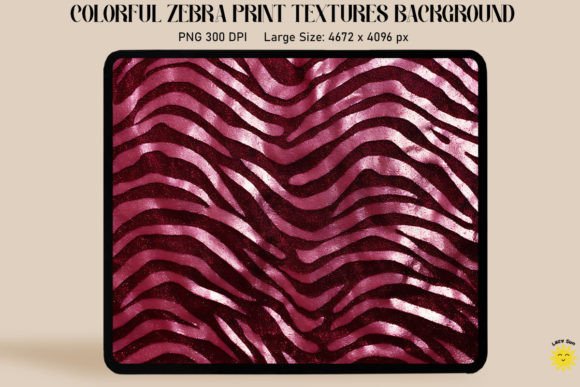
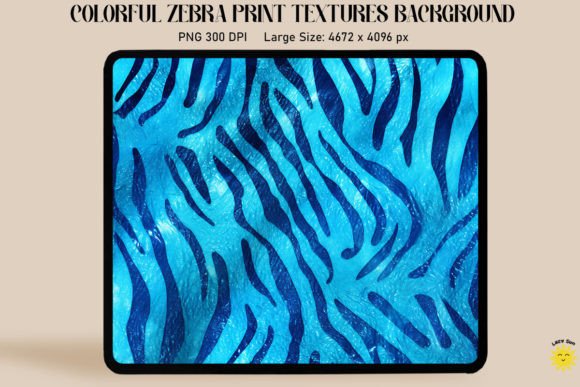
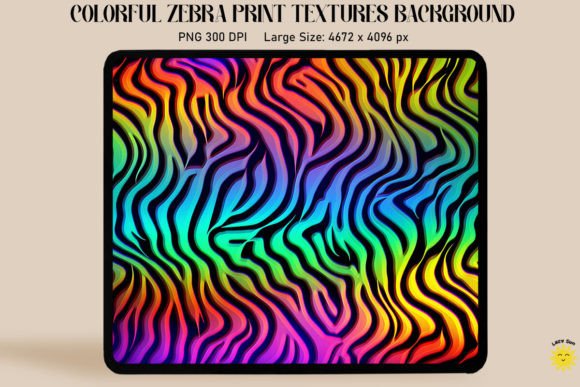
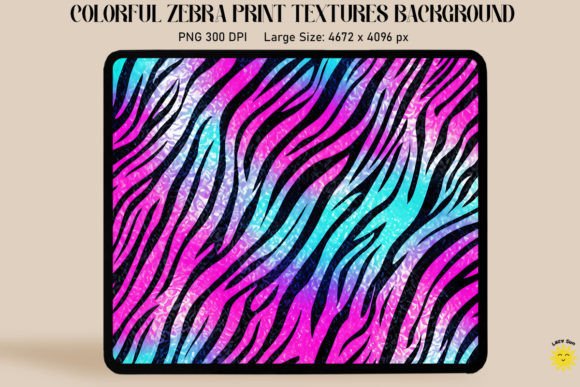
The core appeal of this colorful zebra print background lies in its nuanced execution. The base isn't a flat, singular brown, but likely a gradient or blend of earthy tones—think rich chocolate, warm sienna, and deep umber. Overlaid on this are the iconic zebra stripes, but instead of stark black, they may be rendered in a darker brown or even a deep bronze. The "glitter" element is key; it’s not a cartoonish sparkle but a fine, textured grain that catches the light, adding depth, dimension, and a premium feel. This makes it one of the more eye-catching zebra print designs available, suitable for both digital and high-resolution print work.
This texture carries a distinct personality. It feels adventurous yet grounded, fashionable yet timeless. It avoids the potential garishness of neon multicolored zebra stripes wallpapers and instead offers a muted, stylish alternative. For a brand, it communicates a blend of confidence, creativity, and a touch of luxury. For a personal project, it adds instant visual interest and sophistication. The high-resolution 300 DPI file ensures that this intricate detail, from the fine glitter grain to the subtle color shifts, is preserved whether viewed on a 4K screen or printed on a large banner.
Practical Applications Across Projects
The true value of a design asset like this is its adaptability. As a digital download, it's ready to be integrated into a wide array of creative workflows. Consider its use in packaging design for a boutique beauty brand or artisan food product—the glitter texture adds perceived value and shelf appeal. For editorial design, it can serve as a striking background for a magazine feature or a book cover, setting a specific mood instantly. In the realm of web design, it can be used as a hero section background for a lifestyle blog, an event promotion page, or an e-commerce site selling fashion accessories, immediately elevating the perceived quality of the content.
For social media graphics, this background is a powerhouse. It provides a consistent, branded backdrop for Instagram stories, Facebook ads, or Pinterest pins that needs to stop the scroll. Entrepreneurs and small business owners can use it to create cohesive brand identity elements, from digital business cards to email newsletter headers. Crafters and hobbyists will find it perfect for scrapbooking, printable party invitations, or custom greeting cards. The included PNG file, at a substantial 4672 x 4096 pixels, offers ample room for resizing and cropping without quality loss, making it a flexible tool for any graphic design task.
Integrating Texture with Typography
When pairing this textured background with typefaces, the goal is harmony and contrast. A bold, geometric sans serif font can create a modern, clean counterpoint to the organic pattern, ensuring readability for headlines or body copy. Alternatively, a refined serif font can enhance the luxurious feel, making it ideal for elegant invitations or upscale branding. The key is to test your font pairing against the background. Place your chosen typeface over a sample of the background and evaluate the contrast. You may need to use a solid color overlay or a text box with a slight opacity to guarantee your message is legible, especially with longer paragraphs.
This asset encourages a thoughtful approach to visual hierarchy. The background itself is a strong design element, so supporting visuals and text should be chosen carefully to complement, not compete. Use it strategically. Perhaps apply it to a single panel in a multi-page document, or use it as an accent border rather than a full bleed. For logo design, it could serve as a background texture within a logo lockup, adding a layer of sophistication. Remember, the file is not layered, so any integration requires basic image editing in software like Photoshop, Illustrator, or even Canva. Its value lies in its ability to instantly inject a specific, high-quality aesthetic into a project, saving hours of creating such a complex texture from scratch. Always review the included files and understand the licensing for your intended commercial use to ensure a smooth creative process.