Shabby Chic Cottage Garden Backgrounds for Your Creative Projects
Capturing the Essence of a Vintage Garden
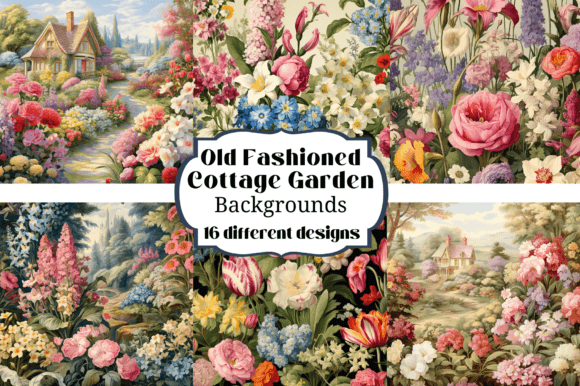
There’s a specific kind of warmth that comes from a well-loved garden, one where roses climb a weathered fence and lavender spills over a stone path. This feeling is the core of Shabby Chic Cottage Garden Backgrounds. It’s a collection that moves beyond simple pattern; it’s a texture and a mood. The visual style is characterized by soft, muted color palettes—think faded pinks, creamy ivories, sage greens, and dusty blues. The illustrations themselves have a handcrafted, slightly imperfect quality, featuring delicate floral motifs, trailing vines, and gentle, watercolor-like washes. The overall personality is nostalgic, romantic, and inherently comfortable, offering a visual respite from sleek, modern minimalism.
This aesthetic doesn’t scream for attention. Instead, it invites you in, creating a sense of authenticity and gentle charm. For designers and creators, understanding this nuance is key. These aren’t just backgrounds; they are design assets that set a foundational tone. Whether used as a full-page backdrop or as a subtle textural element, they instantly communicate a brand or project identity rooted in elegance, softness, and a touch of vintage appeal.
Where These Backgrounds Truly Shine
The versatility of this set is one of its greatest strengths. As premium font pairings often do, these backgrounds work exceptionally well in projects where storytelling and emotion are central. In packaging design, they can transform a simple box into a heirloom-worthy gift, perfect for artisanal goods, botanicals, or boutique skincare. Imagine a soap label backed by a soft, floral wash—the product instantly feels more luxurious and personal.
For editorial design and publishing, these backgrounds provide a beautiful, non-distracting base for magazine features on gardening, vintage lifestyle, or home décor. They enhance readability by offering gentle contrast without the starkness of pure white. In the digital realm, they make for stunning website headers or social media graphics that need to evoke a specific, cozy atmosphere. Bloggers and content creators can use them to create cohesive Pinterest pins or Instagram stories that feel curated and intentional.
Beyond commercial use, the applications for personal projects are equally compelling. Scrapbookers and junk journalers will find these PNG files invaluable for adding authentic vintage layers. Card makers can create one-of-a-kind invitations or thank-you cards with a handmade feel. The key is matching the background’s personality to your project’s goal: it’s ideal for anything that benefits from a soft, organic, and nostalgic touch.
Integrating with Typography and Brand Identity
A background is only as effective as the content layered upon it. This is where thoughtful typography comes in. The delicate nature of Shabby Chic Cottage Garden Backgrounds pairs beautifully with certain typeface choices. A elegant serif font can enhance the classic, timeless quality, while a flowing script font can amplify the romantic, handwritten feel. For contrast and modern readability, a clean sans serif font works well for body text, ensuring your message remains clear against the textured backdrop.
When building a brand identity, consistency is paramount. If your brand voice is warm, artisanal, or story-driven, incorporating these backgrounds across your touchpoints—from your website to your product packaging—can create powerful recognition. They influence perception by making a brand feel more approachable, authentic, and detail-oriented. However, it’s crucial to test your font pairings. A highly ornate display font might get lost in a busy floral pattern, while a simple, bold font could stand out beautifully. Always review your design at various sizes to ensure your hierarchy remains intact and your text is perfectly readable.
Practical Guidance for Using Your Digital Files
You’ve invested in a set of high-resolution, 300 DPI PNGs. To get the most out of them, consider a few practical steps. First, always download and unzip your files immediately. Organize them in a dedicated folder on your computer or cloud storage for easy access. Because these are large, high-quality files, they are perfect for print projects. When using them digitally, you may need to resize them for your specific platform, but the high resolution ensures they won’t pixelate.
Evaluate the project fit by looking at the overall composition. Does the background compete with your main subject, or does it support it? Often, reducing the opacity or applying a slight blur can help push the background further back, allowing your foreground text or imagery to take center stage. For commercial projects, remember the licensing: you can use these in your end products for sale, but the digital files themselves cannot be shared or resold as standalone downloads. This protects the asset’s value while giving you creative freedom.
Think of these backgrounds as a starting point. Layer them with other textures, combine different patterns from the set, or adjust the color balance in your editing software to create something uniquely yours. The goal is to use them as a versatile component within your larger creative toolkit, enhancing your work with a timeless, garden-inspired elegance that resonates deeply with your audience.