Unleash Creativity with Vibrant Tie Dye Rainbow Backgrounds
The Allure of Psychedelic Color
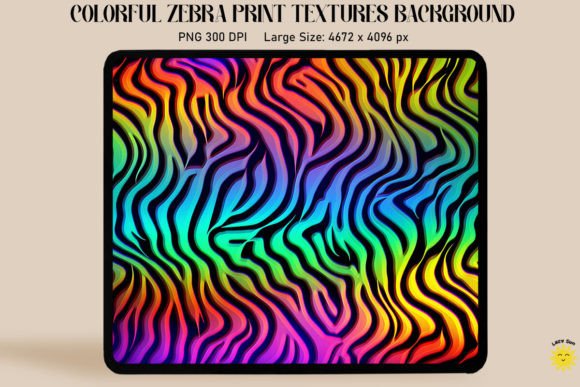
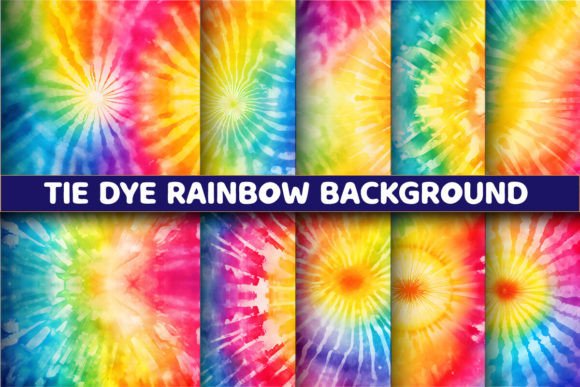
When you are designing for a modern audience, texture and energy are just as important as typography. While a premium font sets the voice of your brand, the canvas beneath it sets the mood. Tie Dye Rainbow Backgrounds offer a specific kind of visual energy that is difficult to replicate with standard gradients or solid colors. These assets are characterized by their fluid, organic swirls and the seamless blending of the entire color spectrum. Unlike a standard digital rainbow, which can feel rigid or childish, these designs mimic the unpredictability of fabric dyeing. The result is a psychedelic, groovy, and undeniably happy aesthetic that instantly grabs attention.
The visual personality of these backgrounds is loud, energetic, and retro-inspired. They evoke a sense of nostalgia for the 1960s and 70s while remaining incredibly relevant in today’s "dopamine dressing" and maximalist design trends. Because the background is so visually complex, it pairs exceptionally well with clean, bold typography. Imagine a heavy, geometric sans serif font or a chunky display font placed over these swirling colors. The contrast creates an immediate focal point, ensuring your message isn't lost in the vibrancy. For brand identity work, specifically for brands targeting a youthful, energetic, or artistic demographic, these backgrounds act as an instant mood board.
Practical Applications: From Digital Screens to Physical Goods
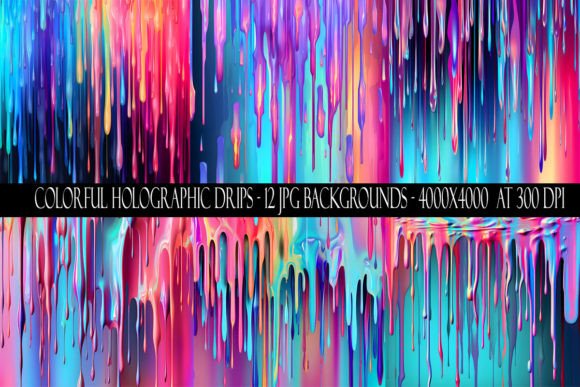
Understanding where to deploy Tie Dye Rainbow Backgrounds is key to maximizing their impact. In the realm of web design, these images are perfect for hero sections, landing pages, or seasonal banners where you need to stop a user from scrolling immediately. However, because they are high-resolution 4096px x 4096px files, you must optimize them for web performance to ensure fast load times. In social media graphics, these backgrounds are gold. Platforms like Instagram and TikTok thrive on visual stimulation. A tie-dye background ensures your post stands out in a crowded feed, making it ideal for announcements, sale graphics, or story backgrounds.
Beyond the screen, the utility of these files extends heavily into print design and physical products. If you are a small business owner involved in packaging design, consider using these assets for limited-edition product lines or seasonal wrapping paper. The seamless nature of the designs makes them excellent for stationery and card making. For example, a wedding planner could use a softer, pastel version of a tie-dye background for bohemian-themed invitations. Similarly, in editorial design, these backgrounds can be used for pull quotes or sidebar graphics in magazines and newsletters to break up text-heavy layouts and inject personality.
- Merchandise: Use the designs for print-on-demand items like tote bags, phone cases, or t-shirts.
- Scrapbooking: Digital scrapbookers can use these as full-page backgrounds to anchor photos.
- Decoupage: Crafters can print these on transfer paper to apply to furniture or home decor items.
- Hang Tags: Add a unique texture to boutique clothing tags or gift labels.
Strategic Pairings and Design Hierarchy
When integrating these backgrounds into your creative projects, managing visual hierarchy is your primary challenge. A background this busy demands a strong foreground element. If you are working on logo design, you should avoid placing intricate, thin logos directly on the tie-dye texture without a container. Instead, use a solid shape—like a circle or a rounded rectangle—to house your logo. This creates a "safe zone" that ensures legibility.
Font pairing is equally critical. Because the background is organic and flowing, you generally want to pair it with typefaces that are structured. A serif font with high contrast can add a touch of unexpected elegance, suitable for editorial headers. Alternatively, a handwritten font or script font can amplify the casual, artistic vibe, but you must ensure the stroke weight is thick enough to read against the color variations. If the background is particularly vibrant, consider using a white or black text with a subtle drop shadow or a semi-transparent overlay bar to improve readability.
Evaluating Quality and Usability
As a creative professional, the technical specifications of your design assets matter. The fact that these Tie Dye Rainbow Backgrounds come in PNG format at 4096px x 4096px is a significant advantage. This resolution allows for extreme flexibility. You can crop into a small section of the design to create a unique texture, or scale it up for large-format printing like posters or backdrops without pixelation. While the files are AI-generated, the quality control here ensures they function like high-quality stock photography.
Before finalizing a design, always test the background in context. Place your text elements, images, and graphics on top to ensure the colors do not clash or vibrate uncomfortably. While the "rainbow" aspect covers the spectrum, you can often adjust the hue and saturation in your design software (like Photoshop or Canva) to match a specific brand identity palette. Whether you are a marketer launching a new campaign or a crafter making personalized gifts, these assets provide a versatile, high-energy foundation that adapts to a wide range of creative needs.