Watercolor Flower Garden Backgrounds: A Digital Asset for Modern Creatives
There's a certain magic to watercolor. It's a medium that feels both timeless and immediate, blending soft, organic washes with vibrant, unexpected blooms. For designers, marketers, and creators, capturing that authentic, hand-painted aesthetic digitally has often been a challenge. The Watercolor Flower Garden Backgrounds collection bridges that gap, offering a set of high-resolution, AI-generated designs that deliver the charm of original artwork with the convenience and scalability of a digital file. This isn't just another set of patterns; it's a versatile toolkit for injecting natural beauty and professional polish into a wide array of projects.
Visual Character and Practical Specifications
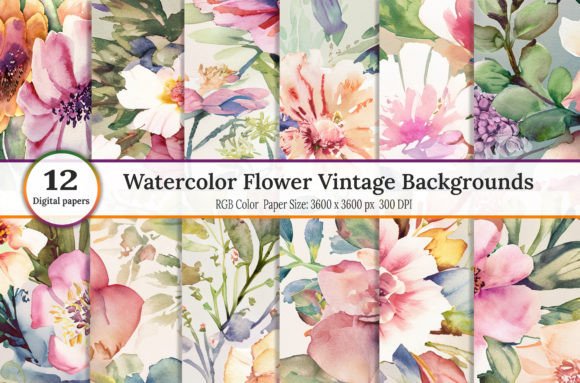
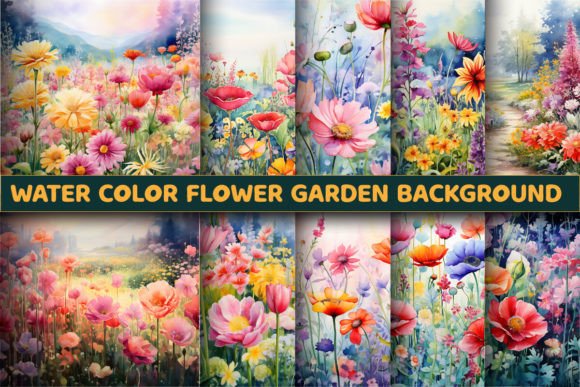
Each background in this collection presents a lush, detailed garden scene, rendered with the nuanced transparency and layering characteristic of real watercolor pigments. You'll find soft blends of color that mimic the way paint bleeds on wet paper, alongside sharper, more defined floral elements that provide structure and focal points. The overall personality is one of organic elegance—romantic without being saccharine, detailed without being cluttered. The style leans towards a modern botanical illustration, making it feel current and fresh.
Beyond the aesthetics, the technical specifications are built for practical use. You receive 12 HD images in PNG format, each at a substantial 4096px by 4096px resolution. This high pixel count is crucial for print projects, ensuring sharp results even at large scales. The file sizes, ranging from 12 to 20 MB per design, confirm the quality of the data. The backgrounds are not transparent, providing a solid, richly colored foundation that can be easily resized without significant quality loss. This makes them true design assets, ready for immediate integration into your workflow.
Where These Backgrounds Excel: From Branding to Handcraft
The applications for Watercolor Flower Garden Backgrounds span the full spectrum of creative work. For brand identity, they can establish a powerful visual language. Imagine these as the backdrop for a logo on a wedding planner's website, or as the primary texture for a boutique skincare brand's packaging. The inherent beauty communicates care, quality, and a connection to nature, influencing brand perception from the first glance.
In editorial design and web design, they solve the common problem of needing engaging, non-distracting visuals. Use them as full-bleed backgrounds for magazine covers, blog post headers, or social media graphics. The soft, complex texture naturally guides the viewer's eye, creating an effective visual hierarchy where text and foreground elements pop. For marketers and content creators, they are invaluable for creating cohesive and professional-looking assets—email newsletter banners, lead magnet covers, and presentation slides all gain immediate sophistication.
The value extends seamlessly into the physical realm. For crafters and hobbyists, the possibilities are endless. Print them for high-quality scrapbooking, decoupage, or custom wrapping paper. They are perfect for card making, hang tags, and party decorations, allowing for the creation of personalized items that look store-bought. The digital download format means you can print on demand, in the exact size and on the specific material you need.
Integrating the Backgrounds: A Practical Guide
Choosing the right background is the first step. Consider your project's color palette and mood. Is it a serene, pastel-focused invitation, or a vibrant, energy-filled social media post? Select the design that best aligns with your intended emotional response. Before finalizing, always test the background with your key elements—logo design components, headlines, and body text—to evaluate fit and readability.
Typography pairing is critical. These backgrounds, with their detailed organic forms, generally pair best with cleaner, more structured typefaces. A classic serif font can enhance the elegant, traditional feel, while a clean sans serif font can provide a modern, crisp counterpoint for readability. Avoid overly ornate script fonts or busy handwritten fonts for large blocks of text, as they can compete with the background's detail. Use such display fonts sparingly for headlines, ensuring they are large and bold enough to remain legible.
While these are AI-generated, the quality is consistently high, offering a premium feel suitable for commercial projects. The licensing allows for wide use, from personal craft projects to client work and products for sale. This makes the collection a sound investment for freelancers and small business owners looking for reliable, beautiful design assets. The key is to use them thoughtfully. Layer them with semi-transparent color overlays to shift their hue, or use them in sections to frame content. By treating them as a foundational element of your modern typography layout rather than just a decoration, you can harness their full potential to create work that is both beautiful and effective.